
Torvald Klaveness 1996–2006: Enter the CABUs, a new generation of combination carrier
Part 6 of an 8-part story through the decades to mark our 80th anniversary
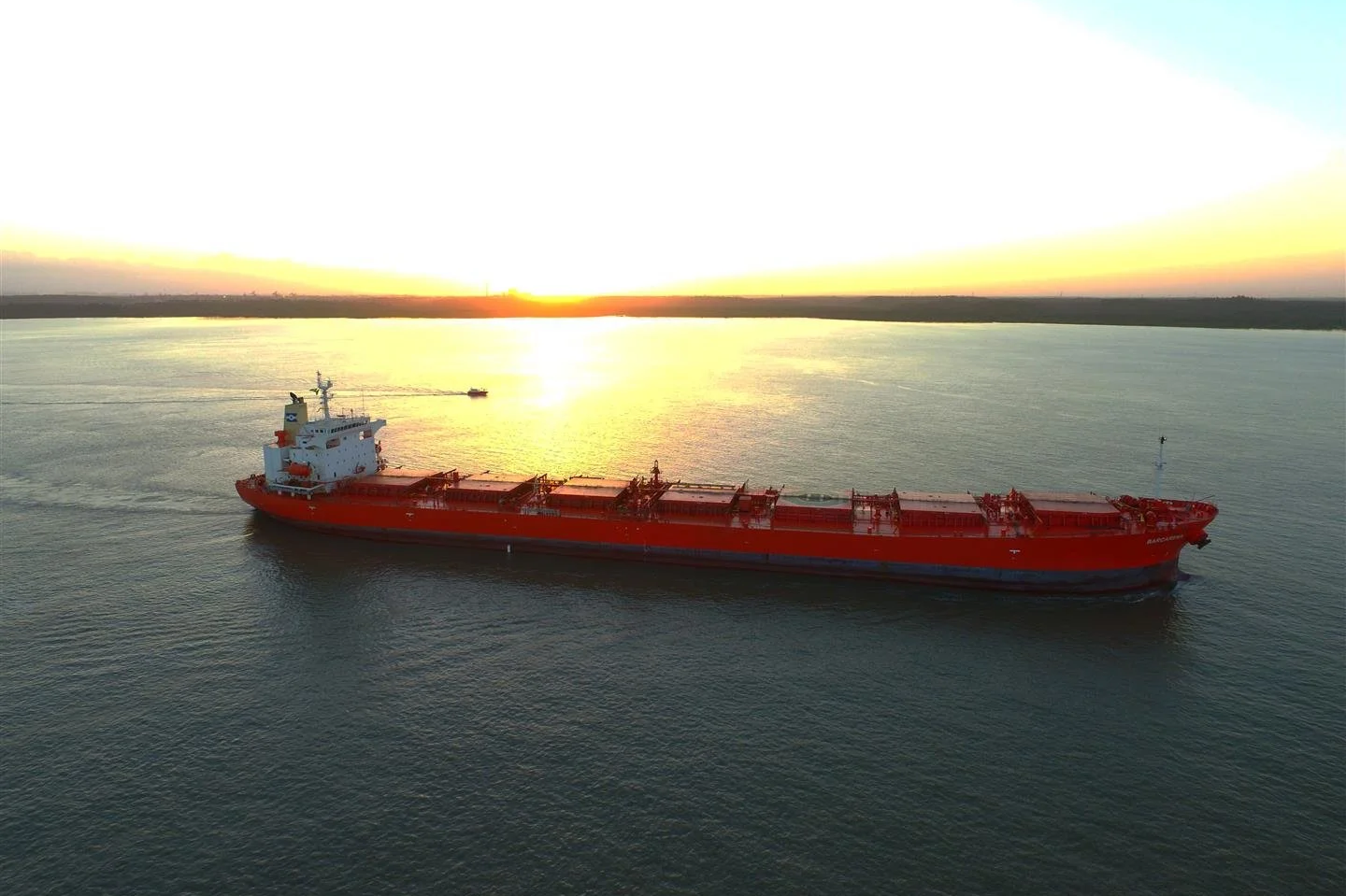
Image: MV Barcarena, delivered in 2001 as the first CABU vessel and still in service today with Klaveness Combination Carriers*
The previous decade tested ideas, partnerships, and operating models. Through changing markets and the PROBO era, Klaveness gained a deeper understanding of both the opportunities and challenges facing the shipping industry.
As the company prepared for the new millennium, the focus shifted from adaptation to execution and the ambition was to build the next iteration of the business.
Fleet renewal was one of the defining priorities of the period
After years of limited newbuilding activity, Klaveness embarked on an ambitious renewal program that would become one of the largest commercial and technical projects in the company's history. Contract negotiations, financing challenges, and changing market conditions created obstacles along the way, but the company remained committed to modernizing the fleet.
A long-term partnership with Oshima Shipbuilding in Japan became central to that effort. The resulting program delivered a new generation of vessels designed around efficiency, flexibility, and future growth.
A new generation of vessels
The fleet renewal program saw the introduction of the first CABU (caustic bulker) vessels.
For decades, Klaveness had searched for ways to improve vessel utilization by linking cargo flows and reducing ballast voyages. Earlier generations of combination carriers had demonstrated both the potential and the complexity of that approach, but with the CABUs, Klaveness ushered in a new era.
Designed around the transportation of caustic soda to Australia's alumina industry and dry bulk cargoes on the return voyage, the vessels were built around clearly defined trade patterns and customer needs. The result was a transportation system that reduced ballast sailing while creating value for both customers and the company.
The combination-carrier concept remained the same, but the execution was more focused with commercial targets in mind.
Building for the future
At the same time, Klaveness continued strengthening its position in dry bulk shipping through growing commercial management activities and expanding operations across the Handysize and Panamax markets.
The objective remained the same as it had always been - to find better ways to connect cargo, customers and ships. Whether through vessel design, fleet operations or commercial shipping expertise, Klaveness continued to build on the cargo-focused philosophy that had guided it since its earliest years.
By the end of this decade, Klaveness had four CABU vessels in operation: Barcarena, Banastar, Bangor and Bantry. The company had transformed the lessons of previous years into new vessels, stronger shipping operations, and a combination-carrier business built for the future.
Info: *Klaveness Combination Carriers (KCC)
The combination carrier vessels mentioned in this article would later become part of Klaveness Combination Carriers ASA (KCC), a separate company established in 2018 and listed on the Oslo Stock Exchange in 2019.
Previous | Torvald Klaveness 1986-1996: Building the next big idea
Next | Torvald Klaveness 2006–2016: The dawn of digitalization