
Torvald Klaveness 1986–1996: Building the next big idea
Part 5 of an 8-part story through the decades to mark our 80th anniversary
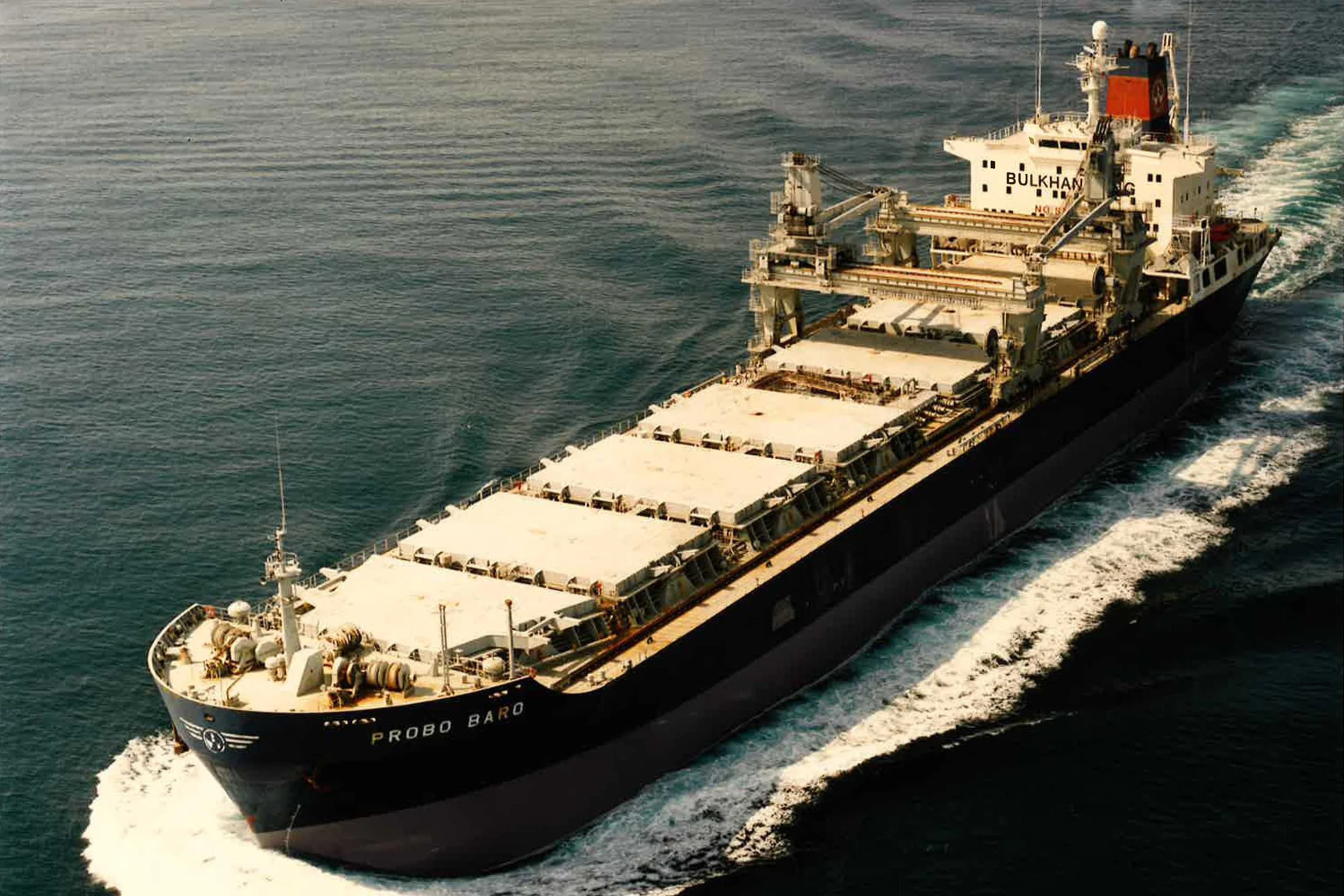
Image: MV Probo Baro, 47 977 DWT, built 1988
By the mid-1980s, Klaveness had spent four decades finding new ways to move cargo. From fertilizer, cement, alumina, bauxite and grain, Klaveness had repeatedly challenged conventional thinking by designing transportation solutions around cargo flows rather than around vessels.
New chapter, new ideas
As shipping became increasingly competitive, Klaveness continued searching for ways to improve efficiency. For decades, the company had worked to reduce time in ballast by linking trades and creating better transportation systems. During the 1980s, that thinking led to the introduction of Klaveness’ PROBO (product bulker) vessels, part of a broader evolution in combination-carrier shipping.
Their ambition was to combine dry bulk and product cargoes in a single trading pattern, allowing vessels to utilize cargo opportunities in both markets. Building on the company's experience with combination-carrier operations, as with the OBO (Ore-Bulk-Oil) vessels, the PROBO era was a natural extension of ideas that had shaped Klaveness for years: better utilization, less waste and closer alignment between vessels and cargo
The PROBO vessels were an important step. Their complexity brought valuable learning, both technically and commercially, and helped sharpen our understanding of what combination carriers needed to deliver in practice.
More than a vessel story
The PROBO era coincided with broader changes across the shipping industry. Markets were becoming more international, financing more complex and competition more intense. At the same time, structures that had supported growth in earlier decades were being tested.
For Klaveness, this period reinforced a key learning. Long-term success depended on more than vessel innovation alone. New ideas had to be supported by strong partnerships, disciplined execution, commercial expertise and the ability to manage increasingly complex operations.
The experience gained in the PROBO era, and the changes taking place across Bulkhandling, became important inputs in the next phase of the business. The learnings influenced how Klaveness approached commercial management, partnerships and the organization of its shipping activities in the years that followed.
A broader platform
As the decade progressed, those lessons, combined with changing market conditions, helped shape a more diversified shipping group. Panamax and larger bulk operations played a growing role, while commercial management, technical operations and international partnerships became increasingly important parts of the business.
This was consistent with a pattern that had been visible since the company's earliest years. Growth rarely came from fleet expansion alone, often it came from understanding transportation challenges and creating structures that connected cargo, customers and vessels more effectively.
By the mid-1990s, Klaveness had come through a decade of learning, adaptation and growth. Ideas were tested, partnerships evolved, and operating models matured. During the process, the company broadened its capabilities and strengthened its foundation for what came next.
With a new millennium on the horizon, Klaveness was better positioned to pursue new opportunities, invest in fleet renewal and continue developing transportation solutions around the same principles that had guided the company from the beginning: understanding cargo flows, reducing inefficiencies and finding better ways to move goods around the world.
Previous | Torvald Klaveness 1976–1986: Tested in a changing market
Next | Torvald Klaveness 1996–2006: Renewing the fleet and introducing the first CABUs