
Part 4 of an 8-part story through the decades to mark our 80th anniversary
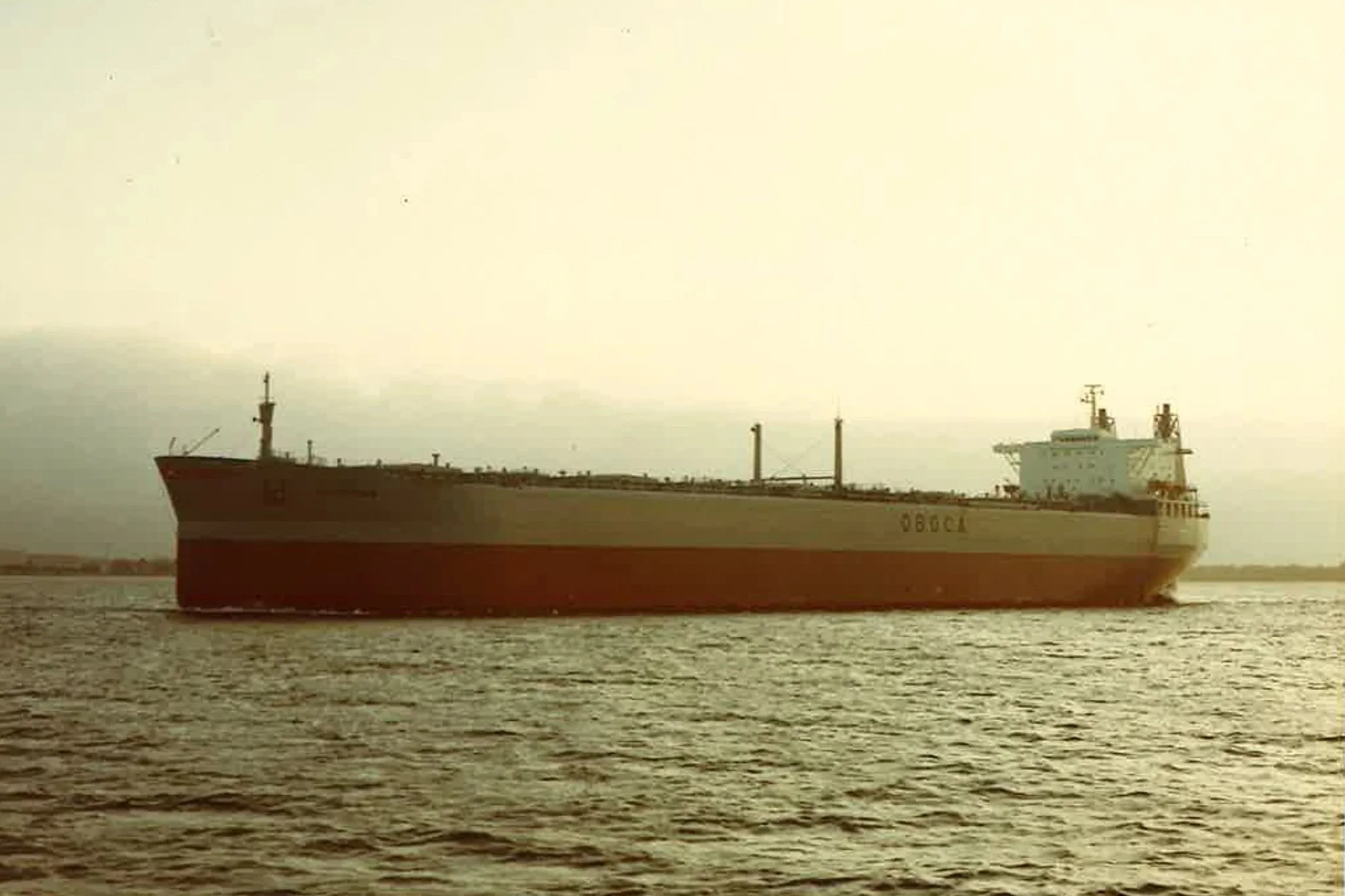
Image: MV Banak (ex. Havprins), a 124 000 DWT OBO-carrier built in 1975 and ownership taken by Klaveness in 1986
By the mid-1970s, Klaveness had built a strong position through specialized bulk shipping, long-term cargo programs, and a partnership model that extended beyond the ownership of individual vessels. The systems developed through Bulkhandling had proven successful, but the market that had rewarded those innovations was beginning to change.
A successful model under pressure
For more than a decade, Bulkhandling had built its reputation on a cargo-first approach. Specialized vessels, self-loading/unloading capabilities, and close cooperation with cargo owners had enabled the company to create trades where none had previously existed.
But by the late 1970’s, competitors had begun adopting similar concepts. Improvements in port infrastructure reduced the value of some specialized handling solutions, while lower-cost operators entered markets that Klaveness had helped to shape. At the same time, rising operating costs placed increasing pressure on Norwegian shipping.
The challenge was now finding new ways to stay ahead as competitors adopted similar concepts, and shipping became increasingly global.
Expanding on a larger stage
Building on relationships developed over previous decades, Klaveness expanded its involvement in large international cargo programs. Grain shipments to the Soviet Union, bauxite transportation from Guinea, and industrial projects in countries including Venezuela and Colombia became increasingly important parts of the business.
These projects depended on long-term partnerships with governments, industrial companies, and international operators, often involving the development of entirely new transportation systems around major industrial exports. Through these relationships, Klaveness gained experience in larger and more complex trades than it had previously handled.
By the early 1980’s, the company had become one of the world's largest operators of Panamax vessels and was increasingly active in larger bulk markets.
Adapting for a changing industry
The changing economics of shipping forced difficult decisions throughout the industry, as Norwegian shipowners faced growing competition from operators with lower costs and increasingly flexible structures.
Klaveness adapted by rethinking how vessels were financed, operated, and organized. International partnerships became increasingly important, while new approaches to fleet management helped maintain competitiveness in rapidly changing markets.
At the same time, the company's existing business model was tested. Not all vessels fit easily within established pool structures, and balancing the interests of multiple partners required constant adaptation.
Looking for the next advantage
With traditional bulk shipping becoming more competitive, Klaveness began searching for new ways to create value.
The answer would once again come through innovation and towards the end of the decade, work began on a new vessel concept designed to combine dry bulk and product cargoes within a single trading pattern.
The idea became known as the PROBO concept and reflected a familiar Klaveness instinct: when market conditions changed, the response was once again to lean into innovation and rethink how shipping could be done. Drawing on the same thinking behind OBO (Ore, Bulk, Oil) vessels, the concept sought greater flexibility across cargo markets while reducing ballast sailing. It would help shape our next chapter.
Previous | Torvald Klaveness 1966–1976: From building ships to building shipping systems
Next | Torvald Klaveness 1986–1996: Building the next big idea