
Part 7 of an 8-part story through the decades to mark our 80th anniversary
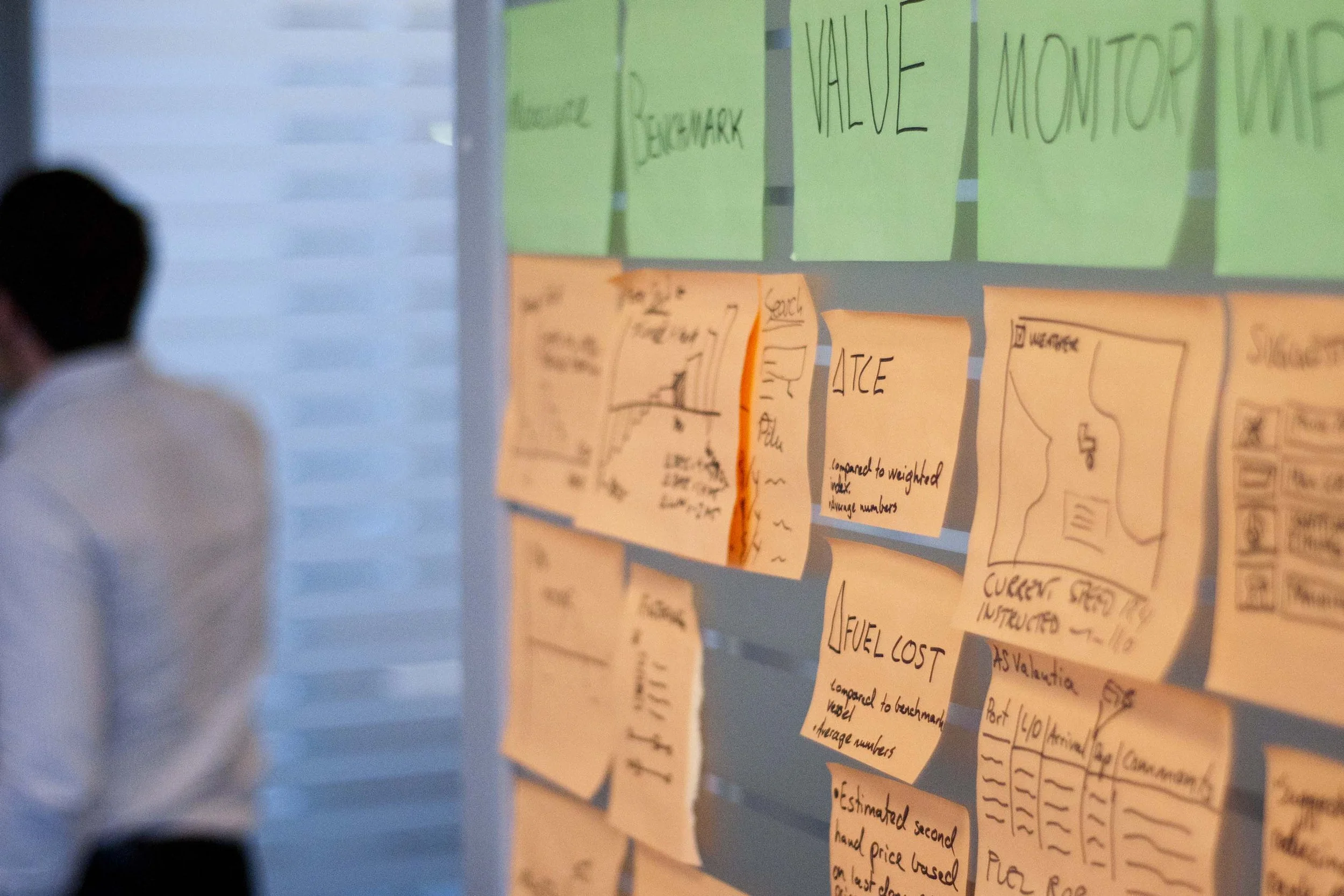
Image: A ‘KLAB’ workshop in 2015
By the mid-2000s, Klaveness had expanded its international presence, continued developing new shipping activities, and built interests that extended well beyond traditional ship ownership.
Over the next ten years, the company’s structure, leadership and strategic direction would change significantly. As markets evolved and the business developed, Klaveness increasingly sharpened its focus around shipping and related maritime activities.
A vision to ‘improve the nature of shipping’
The decade saw Klaveness continue reshaping its broad portfolio of activities. A significant step came with the sale of the transloader business, which generated substantial gain for the company.
Later in the decade, a defining moment came in 2011 when the wider Klaveness group was divided into two separate businesses. Investment activities in real estate and financial markets were separated from the core shipping operations, giving the shipping company strategic focus on developing its maritime activities.
The restructuring coincided with a major leadership transition. In 2011, Lasse Kristoffersen became the first CEO in the company’s history from outside the Klaveness family. Under this new era of leadership, Klaveness developed the vision and values that continue to guide the company today.
Strengthening the shipping platform
While these changes were taking place, Klaveness continued developing its dry bulk activities and strengthening its presence in Asia. Klaveness Asia Pte. Ltd. was established in Singapore in 2006, strengthening the company’s commercial presence in a region of growing importance to global shipping.
The combination carrier business also continued to evolve. Another first-generation CABU joined the fleet in 2007, while the first vessels in a larger second generation entered service at the end of the decade. These ‘CABU II’ vessels offered increased cargo capacity while continuing to serve the caustic soda and dry bulk trading patterns established by the original CABUs.
Work also began on extending the combination carrier concept into new cargo markets. This laid the groundwork for the CLEANBU vessels, which would enter service in the following decade and carry clean petroleum products as well as dry bulk cargoes.
Investing in people
Klaveness’ development depended not only on vessels and markets, but also on the people supporting its operations, both at sea and onshore.
During the decade, the company strengthened its approach to employee development through a more structured performance and development process, greater emphasis on leadership development and internal training in areas including safety and compliance.
At sea, Klaveness had longstanding crewing activities in the Philippines, supported by cadetship and manpower development programs designed to recruit, train and develop seafarers over the long term.
During the decade, South Africa also began emerging as a new source of maritime talent. The initiative built on the company’s established approach to recruitment, training and development and expanded its global crewing capabilities.
The digital era
Toward the end of the decade, a new strategic direction placed greater emphasis on innovation and digital capability. ‘KLAB’ was established in 2015 as a pilot initiative to explore how technology and data could improve the way Klaveness worked, interacted with customers and operated its vessels.
KLAB quickly moved beyond the pilot phase, with several digital solutions already in regular use by the end of the period. The initiative helped lay the foundation for the digital business and customer-facing commercial solutions that emerged in the following decade.
As these ten years drew to a close, Klaveness had sharpened its focus around shipping while continuing to develop its fleet, global presence, and maritime expertise. A new generation of combination carriers was entering service, work on future digital products was underway, and the company had begun building capabilities that would shape its next chapter.
Previous | Torvald Klaveness 1996–2006: Enter the CABUs, a new generation of combination carriers
Next | Torvald Klaveness 2016–2026